
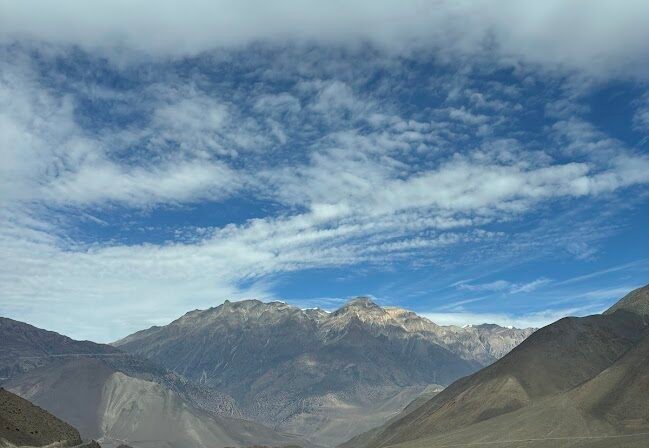
Upper Mustang New Permit cost
🏔️ Upper Mustang Trek Permit: Major Changes in 2025 — What You Really Need to Know
Upper Mustang new permit cost —is often called the “Last Forbidden Kingdom” — has long been one of the most iconic and expensive trekking destinations in Nepal. Its unique Tibetan-influenced culture, arid landscapes, and remote valleys have drawn adventurous travelers from around the world. But for decades, strict permit rules made access costly and rigid — until now.
📌 What Changed? The New Permit System Upper mustang:
In November 2025, the Government of Nepal officially scrapped the old flat-fee system for Upper Mustang permits that had required foreign trekkers to pay USD 500 for the first 10 days, regardless of how long they stayed. That system has been replaced with a flexible daily rate structure:
- USD 50 per person, per day — charged only for days spent inside Upper Mustang.
- No mandatory 10-day minimum — so you only pay for the exact number of days on your trek.
- Upper mustang Short treks (e.g., 3–5 days) are now much more affordable.
- This change was enacted by amending Nepal’s Immigration Regulations as part of a government effort to boost tourism in restricted areas.
🪪 Why the Reform Matters
For years, Upper Mustang’s Jeep tours permit fee was one of the highest in Nepal and served dual purposes:
- Help regulate visitor numbers to protect a fragile cultural and environmental landscape.
- Generate income for local communities and authorities.
However, the high flat fee discouraged many travelers, especially those with limited time or a tighter budget. The new daily-rate system balances accessibility with conservation goals — making it easier to plan both short and long itineraries.
What Still Remains the Same?
Despite the fee overhaul, several core rules continue to apply:
📍 Restricted Area Status
Upper Mustang is still classified as a Restricted Area by the Nepalese government. This means:
- You cannot enter independently — all permits must be arranged through a registered Nepali trekking agency.
- A licensed guide is mandatory during the trek.
- A minimum group size (usually at least 2 trekkers) is still required to obtain the permit, though trekking agencies continue to petition for single-trekker options in future seasons.
- You must also have the Annapurna Conservation Area Project (ACAP) permit and TIMS card where applicable.
💡 How the New System Works in Practice
Let’s break down what you’d pay under the new permit rules:
| Trip Duration | Permit Cost (USD) |
| 3 days | $150 |
| 5 days | $250 |
| 7 days | $350 |
| 10 days | $500 |
➡️ You pay only for the number of days you actually spend in Upper Mustang — no more automatic 10-day charge.
Are you Planning Tips for Upper Mustang Treks or Jeep Tours?
✔ Book Through an Authorized Agency Great Panonrama Treks and Expedition we will help you to do all the permit and collect documents what required. Because permits must be issued through registered agencies, make arrangements well in advance — especially in peak seasons (spring and autumn).
✔ Pack for Restricted Area Policies
You’ll need:
- Original passport and visa
- Photos and itinerary details
- Guide and agency details
- ACAP permit and TIMS card
✔ Factor in Other Costs
Besides the Upper Mustang new permit cost, fee, your overall trip budget should include:
- ACAP permit (~NPR 3,000 for foreign nationals)
- TIMS card
- Guide and porter fees
- Transportation to/from Kagbeni or Jomsom
- Accommodation and meals
🌄 Final Thoughts
Upper mustang new permit cost: The new USD 50 per day permit rule is arguably the biggest change to Upper Mustang trekking regulations in decades. It makes this bucket-list trek more accessible and flexible, especially if you want to design a shorter or customized itinerary. But remember: the region’s restricted status and core regulations (guides, agencies, conservation permits) remain firmly intact to protect its cultural heritage and environment.
Whether you’re a first-time trekker or seasoned traveler, these changes make planning your Upper Mustang adventure a lot easier — and potentially more affordable — without compromising on the experience.
Would you like a sample itinerary based on these new permit rules (e.g., a 7-day trek with cost breakdown)?